Today on my drive to work I was listening to the radio, and
they were talking about 'loneliness' and how it is impacting everyone in
today's world, in one way or the other. They had a guest PhD speaker (forgot
her name), she is doing research on how different countries are coping with
loneliness.
“The loneliness you feel is actually an opportunity to reconnect with others and yourself.” - Maxime Lagacé
Loneliness
Loneliness is a feeling that many of us encounter at different points in our lives. It can creep in during quiet moments, linger in crowded rooms, or settle in during times of change. I have felt it too, and I want to share my journey with you, hoping it might resonate and offer some solace.
.png)
The Unexpected Visitor
Loneliness often arrives uninvited. For me, it came during a
period of transition. Moving to a new city, starting a new job, and leaving
behind familiar faces left me feeling adrift. The bustling streets and busy
schedules could not fill the void of connection I craved. It was in these
moments of solitude that I began to understand the depth of loneliness.
Finding Comfort in Routine
One of the first steps I took was establishing a routine. It
might sound mundane, but having a structure to my day provided a sense of
stability. Morning walks became a ritual, a time to clear my mind and
appreciate the world waking up around me. These small acts of self-care were my
way of reclaiming control and finding comfort in the predictability of routine.
Reaching Out
Loneliness can make us retreat inward, but reaching out is
crucial. I started by reconnecting with old friends through messages and calls.
It wasn’t always easy, and sometimes it felt awkward, but those conversations
reminded me that I wasn’t alone. I also joined local groups and classes,
finding people with shared interests. These connections, however small, began
to weave a new social fabric around me.
Embracing Solitude
There is a difference between loneliness and solitude. I
learned to embrace solitude as a time for self-reflection and growth. I picked
up hobbies that I had long neglected -reading, painting, wood-burning and even somewhat cooking. These
activities became my companions, filling my time with creativity and purpose.
Solitude became a space where I could explore my thoughts and feelings without
judgment.
.png)
Seeking Professional Help
Sometimes, the weight of loneliness can be too much to bear
alone. Seeking professional help was a turning point for me. Therapy provided a
safe space to explore my emotions and develop coping strategies. It was a
reminder that asking for help is a sign of strength, not weakness.
Building New Connections
Building new connections takes time and effort. I
volunteered at local events, joined community projects, and attended social
gatherings. Each interaction, no matter how brief, was a step towards building
a support network. Over time, these connections grew stronger, and the sense of
belonging began to replace the loneliness.
.png)
Practicing Self-Compassion
Throughout this journey, practicing self-compassion was
essential. It is easy to be hard on ourselves when we feel lonely, but kindness
towards oneself can be incredibly healing. I learned to acknowledge my feelings
without judgment and to treat myself with the same compassion I would offer a
friend.
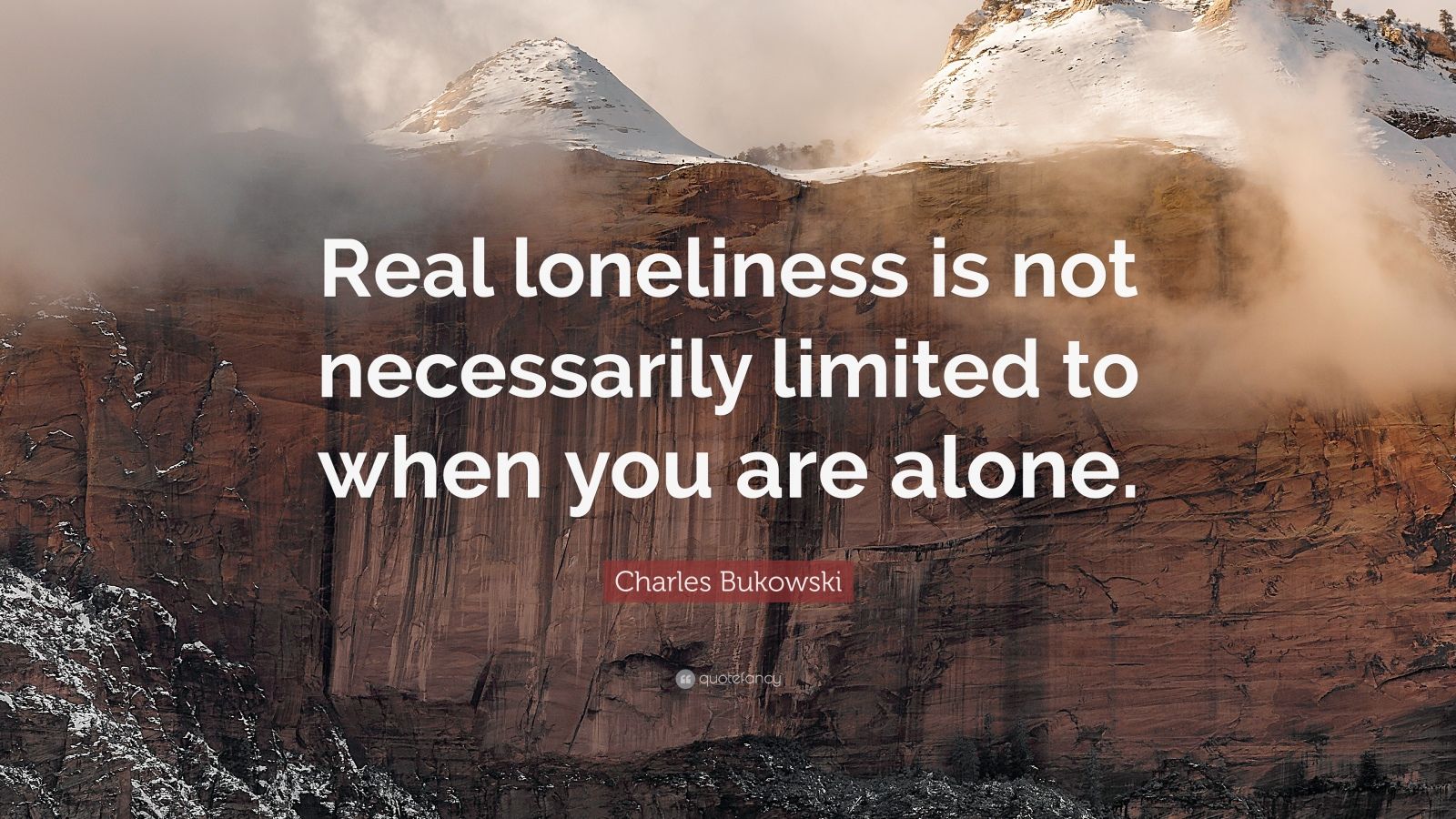
Conclusion
Loneliness is a complex and deeply personal experience. It
can feel overwhelming, but it’s important to remember that it’s also a part of
being human. By establishing routines, reaching out, embracing solitude,
seeking help, building connections, and practicing self-compassion, we can
navigate through loneliness and find our way back to a place of connection and
belonging.
Remember, you are not alone in feeling lonely. Sharing our
stories and supporting each other can make all the difference. If you ever need
someone to talk to, don’t hesitate to reach out. We’re all in this together.
Wishing everyone a happy, healthy and blessed day!
Comments
Post a Comment